Brows & Lashes · September 29, 2026 · 6 min read
Brow Lamination vs. Microblading: Which Is Right for You?
Full, soft, brushed-up brows are everywhere, and two treatments come up again and again: brow lamination and microblading. They both aim for fuller-looking brows, so it is easy to assume they are similar. They really are not. One restyles the hair you already have for a few weeks. The other places pigment in the skin and lasts much longer.
Understanding that difference is the key to choosing well, so let's walk through how each one works, what the commitment looks like, and who tends to be happiest with each.
What brow lamination is
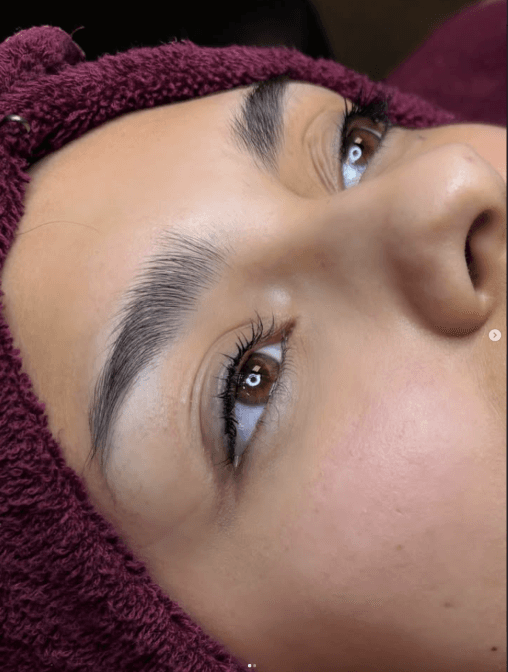
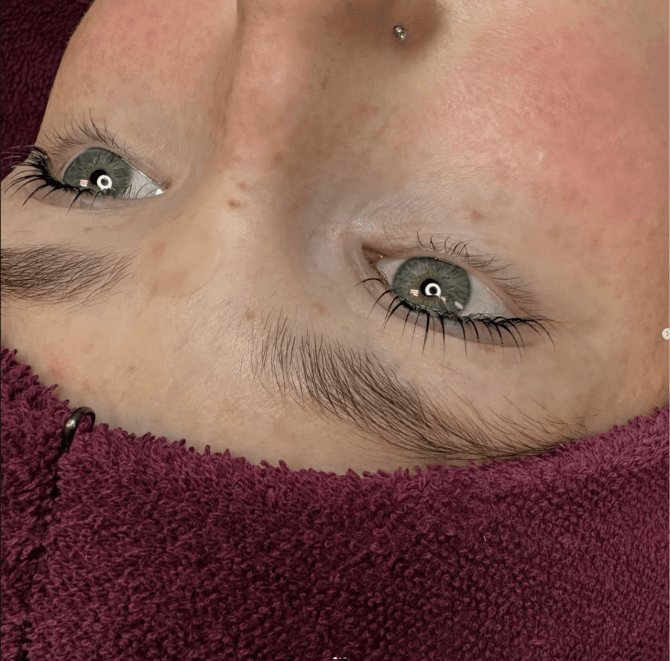
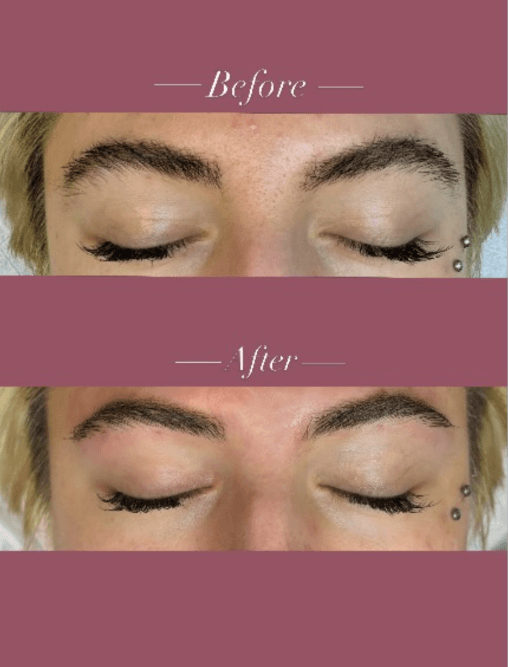
Brow lamination is a bit like a perm for your brows. A gentle solution softens the hairs so they can be brushed into a new direction, usually upward and slightly out, and then a second step sets them in place. The result is brows that look fuller, more even and groomed, using only your natural hair.
Because it works with your existing hair, lamination is a good fit if you have a decent amount of brow hair that grows in different directions, curls downward, or just will not stay put. It does not add hair where there is none.
Lamination is temporary. Results usually last several weeks and fade gradually as your brows go through their natural growth cycle and new hairs come in. Many people pair it with a brow tint, which deepens the color of fine or light hairs, and a shaping wax to clean up the edges.
- Works on: your natural brow hairs
- Lasts: several weeks, fading gradually
- Commitment: low; if you don't love it, it grows out
What microblading is
Microblading is a form of cosmetic tattooing. A hand tool with fine needles makes tiny cuts in the skin and deposits pigment to create hair-like strokes. It can fill gaps, define a shape and create the look of brows where hair is very sparse or missing.
Because pigment goes into the skin, microblading lasts much longer than lamination, often a year or more, and typically needs a touch-up session after the first appointment and periodic refreshers after that. Pigment fades over time and can shift in tone. Like any tattoo, it is not easy to undo: the FDA notes that tattoos and permanent makeup can be difficult and costly to remove.
The FDA regulates tattoo inks, including permanent makeup, as cosmetics, while the practice itself is regulated by state and local authorities. In other words, the skill, training and hygiene of the person you choose matter a lot.
- Works on: your skin, with pigment
- Lasts: often a year or more, with touch-ups
- Commitment: high; changes are harder to reverse
Side by side
Think about time, too. A lamination appointment is usually under an hour, with no healing period beyond keeping brows dry for a day or so. Microblading involves a longer appointment, a healing period during which the area may flake and the color can look darker or patchier before it settles, and a follow-up touch-up. If you have an important event coming up soon, lamination is the lower-risk choice for that timeline.
Here is the simplest way to think about it. Lamination changes how your hair lies. Microblading changes how your skin looks. If you have hair to work with and want a softer, fuller, brushed-up look without a long commitment, lamination usually makes sense. If you have significant gaps or very little brow hair and want a more lasting shape, microblading might be worth exploring with a qualified artist.
Some people even use both at different times in life. There is no wrong answer, only the one that fits your brows and how much commitment you are comfortable with.
Risks and things to know
Both treatments involve the delicate skin near your eyes, so a little caution goes a long way.
With lamination, the main concern is irritation or an allergic reaction to the solutions, which can show up as redness, itching or swelling. Over-processing, such as repeating it too often, can leave hairs dry or brittle. Ask for a patch test if you have sensitive skin or allergies, and space treatments as your esthetician recommends.
With microblading, the skin is broken, so infection risk and reactions to pigment are possible. The FDA has issued warnings about contaminated tattoo inks and asks consumers to report reactions. The FDA also notes that some people with tattoos or permanent makeup have reported swelling or burning during an MRI, so it is worth mentioning to your radiology team.
Questions to ask before you book
Whichever you choose, a short conversation first helps you feel confident.
- How much natural brow hair do I have to work with?
- How long do results usually last for someone with my hair and skin?
- What aftercare will I need, and for how long should I avoid water, sweat or skincare actives?
- Should I do a patch test first?
- If I use retinoids or acids, how should I adjust around the treatment?
Caring for brows after lamination
For the first day or so after lamination, keep brows dry and avoid steam, heavy sweating and rubbing so the new shape can set. After that, brush them into place each morning with a clean spoolie and use a nourishing brow oil or conditioner if your esthetician suggests one. In our dry Treasure Valley air, a little nightly conditioning can help keep laminated hairs from feeling crisp.
At BELA Aesthetics, brow lamination is often paired with a brow tint and shaping in the same visit. Microblading is a tattoo service that BELA Aesthetics does not offer, so if you decide it is right for you, look for a licensed, experienced permanent makeup artist and ask to see healed results.
Key takeaways
- Lamination restyles your natural hairs and lasts several weeks.
- Microblading is cosmetic tattooing that often lasts a year or more and is hard to reverse.
- Lamination suits people with hair to work with; microblading suits sparse or missing areas.
- Ask for a patch test if you have sensitive skin or allergies.
- Choose experienced, licensed providers for anything near the eyes.
When to see a dermatologist: See a doctor if you have swelling, spreading redness, oozing, crusting or pain after any brow treatment, or if irritation affects your eye itself. If your brows are thinning without an obvious reason such as plucking, talk to a dermatologist before turning to cosmetic fixes, since thinning can be linked to things like thyroid issues or nutrient deficiencies.
Not sure what your skin needs?
Take our 60-second skin quiz for a personalized treatment match, or book a visit at our Garden City studio.
Questions
Does brow lamination damage your brows?+
When done properly and spaced out, most people do well. Repeating it too often can over-process hairs and leave them dry, so follow your esthetician's timing and keep brows conditioned.
Can I get lamination if I already have microblading?+
Often yes, if you have natural hairs to lift. Mention your microblading so your esthetician can work carefully, and ask your artist how actives near the area may affect pigment.
Which one looks more natural?+
Lamination uses only your own hair, so it tends to look naturally fluffy. Well-done microblading can look natural too, but results depend heavily on the artist's skill.
Sources
- FDA: Tattoos & Permanent Makeup Fact Sheet
- FDA: Eye Cosmetic Safety
- Cleveland Clinic: How To Get Overplucked Eyebrows To Grow Back
Educational content from a licensed esthetician, not medical advice.