Acne & Texture · September 26, 2026 · 6 min read
Top 5 Ways to Unclog Pores (Without Wrecking Your Skin)
Clogged pores show up as blackheads, tiny flesh-colored bumps (closed comedones, often called whiteheads), and that rough, sandpaper feel across the forehead or chin. The instinct is to attack: grainy scrubs, peel-off masks, hot steam and a lot of squeezing. That approach often leaves skin red and raw, and the congestion comes right back.
Pores clog when oil and dead skin cells stick together inside the follicle instead of flowing out. The fix is to keep that process moving gently and consistently. Here are the five approaches that make the biggest difference, ranked roughly by how much they help.
1. Use a retinoid at night
If you only add one thing, make it this. The AAD says dermatologists recommend a retinoid to unclog pores, and adapalene 0.1% gel is available over the counter. Retinoids help skin cells turn over more normally so they are less likely to form plugs in the first place.
Start slowly: a pea-sized amount over the whole face two or three nights a week, building toward nightly as your skin allows. Apply it to dry skin, and moisturize afterward if you feel tight. Expect some dryness in the first few weeks, and expect results to take six to eight weeks or longer. Retinoids also make skin more sensitive to the sun, so daily sunscreen is non-negotiable.
2. Choose a salicylic acid or benzoyl peroxide cleanser
Salicylic acid is oil-soluble, so it can work inside the pore and help loosen what is stuck there. The AAD describes it as helping open clogged pores and exfoliate the skin. Benzoyl peroxide reduces acne-causing bacteria and is especially useful if you also get red, inflamed pimples.
A common, simple pairing: a salicylic acid cleanser in the morning and a retinoid at night. Let a medicated cleanser sit on the skin for about a minute before rinsing so it has time to work. If you are dry or sensitive, use it once a day or every other day rather than twice.
3. Double cleanse at night if you wear sunscreen or makeup
Long-wear foundation, mineral sunscreen and setting sprays are designed to stay put, which also means a quick splash of water will not remove them. Leftover product mixed with oil is a common contributor to congestion.
An oil-based cleanser or balm massaged onto dry skin for 30 to 60 seconds, followed by your regular gentle cleanser, gets everything off without scrubbing. This is especially helpful during a Treasure Valley summer, when many of us are wearing more sunscreen for hikes, the Greenbelt and lake days, and reapplying it often.
4. Moisturize and protect your barrier
It sounds backward, but stripped skin does not stay clear. When the barrier is damaged by harsh cleansers, hot water, alcohol toners or too many actives, skin gets inflamed and flaky, and dead skin can pile up unevenly. Our dry, high-desert air speeds up that water loss.
Choose a moisturizer labeled non-comedogenic, without heavy fragrance. Gel-creams work well for oily skin, and richer creams work for dry skin. If you are using a retinoid and an acid, alternate nights instead of layering them until you know how your skin responds.
- Wash with lukewarm, not hot, water.
- Skip gritty scrubs, brushes and peel-off masks.
- Introduce one new active at a time, two to four weeks apart.
- If your skin stings with plain moisturizer, pause actives until it calms.
5. Get professional extractions and exfoliation when you need a reset
Some clogs are too deep or too stubborn for products alone, especially closed comedones that do not have an opening. The AAD notes that extraction can be a safe way to clear blackheads and whiteheads when done by a trained professional, and warns that popping at home can lead to scars, infection and more noticeable acne.
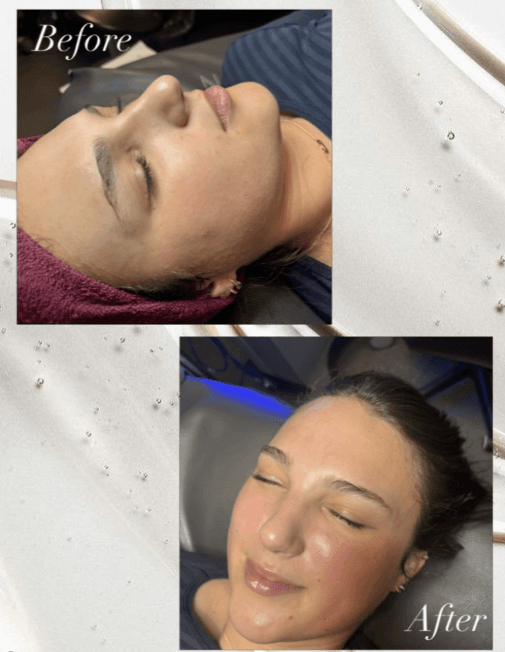
A professional facial combines softening, controlled extractions and soothing care, then sends you home with a plan so the pores stay clear longer. At BELA Aesthetics, the Acne Clearing Facial focuses on congestion, while a light chemical peel or dermaplaning can help with rough texture once your skin is calm. We will build that around the routine above so you are not starting over every month.
Habits that quietly re-clog pores
Even a good routine can be undone by small things. Watch for these common culprits:
- Hair oils, pomades and heavy conditioners near the hairline.
- Thick body or face oils applied to breakout-prone areas.
- Sleeping in makeup or sunscreen.
- Touching or resting your face on your hands.
- Dirty makeup brushes and pillowcases.
- Switching products before they have had a chance to work.
How to tell if it is working
Unclogging pores is slow, quiet progress, so it helps to know what to look for. In the first two to four weeks, a new retinoid can bring a little dryness and even a few extra bumps as existing clogs come to the surface. That usually settles. By six to eight weeks, most people notice skin feels smoother to the touch, makeup sits better, and fewer new bumps appear.
Take a photo in the same spot and light every two weeks. Daily mirror checks make change hard to see, while side-by-side photos make it obvious. If you see no difference at all after two to three months of consistent use, that is the point to change course or get help.
What about pore size?
Pore size is largely genetic, and pores do not open and close like doors, so steam will not open them and cold water will not shut them. What you can change is how visible they are. Clear, smooth, well-hydrated skin with less buildup inside the pore reflects light more evenly, so pores look smaller. Sun damage does the opposite, which is one more reason to wear sunscreen daily.
Key takeaways
- Clogs form when oil and dead skin stick together inside the pore.
- A nightly retinoid is the most effective single step for clogged pores.
- Salicylic acid and benzoyl peroxide cleansers help, but use them gently.
- Double cleansing and a non-comedogenic moisturizer keep pores clear without stripping.
- Professional extractions are a safer reset than squeezing at home.
When to see a dermatologist: See a board-certified dermatologist if clogged pores turn into painful, deep or cystic bumps, if breakouts leave scars or lasting dark marks, or if you see no improvement after two to three months of a consistent routine. Dermatologists can prescribe stronger retinoids and other acne medications. Tiny bumps that itch, appear suddenly, or do not respond to acne care may be something other than acne and are worth having checked.
Not sure what your skin needs?
Take our 60-second skin quiz for a personalized treatment match, or book a visit at our Garden City studio.
Questions
Does steaming open your pores?+
Pores do not open and close. Warmth can soften the material inside them, which is why estheticians prep skin before extractions, but steam alone will not unclog pores and too much heat can irritate sensitive skin.
Can I use a retinoid and salicylic acid together?+
Many people do well with salicylic acid in the morning and a retinoid at night. If your skin gets dry or stings, alternate days or use the acid only a few times a week.
How often should I get a facial for clogged pores?+
Many people with congestion do well with a facial every four to six weeks, which lines up with the skin's renewal cycle. Your esthetician can suggest a rhythm based on how your skin responds.
Sources
- American Academy of Dermatology: How to treat different types of acne
- American Academy of Dermatology: Acne diagnosis and treatment
- American Academy of Dermatology: Is it OK to pop a pimple?
- Cleveland Clinic Health Essentials: How to get rid of blackheads
Educational content from a licensed esthetician, not medical advice.