Dry & Sensitive Skin · October 14, 2026 · 6 min read
Dehydrated vs. Dry Skin: How to Tell the Difference and Treat Each
People use dry and dehydrated interchangeably, and product labels don't help. But estheticians draw a useful line between them: dry skin is short on oil, while dehydrated skin is short on water. You can have one, the other, or both at once, and knowing which helps you stop buying products that don't fix the problem.
This matters more than usual in the Treasure Valley, where the National Weather Service describes the climate as semi-arid with an overall dryness to the air. Dry air pulls water out of skin, so even people with naturally oily skin can end up feeling tight and looking dull here.
Dry skin: a skin type that makes too little oil
Dry skin tends to be something you've had for most of your life, though it often increases with age. The Cleveland Clinic notes that oil glands produce less as we get older and that genetics play a role. Because there's less oil on the surface, the barrier that keeps water in is weaker, so moisture escapes more easily.
Common signs of dry skin, according to the Cleveland Clinic, include roughness, tightness, flaking, scaling and sometimes cracking or itching. It often shows up on hands, legs, elbows and around the mouth, and pores usually look small.
Dehydrated skin: a temporary state any skin can be in
Dehydrated skin is a condition rather than a type. Your skin is simply holding less water than it should. It can happen to oily, combination or normal skin, and it often comes and goes with weather, travel, harsh products or long hot showers.
Dehydrated skin may look dull, show fine crisscross lines that seem to appear overnight, feel tight after cleansing, and sometimes look oily and tight at the same time. That last combination confuses a lot of people: skin can make plenty of oil and still be thirsty for water.
A quick way to tell them apart at home
No home test replaces a professional skin assessment, but a few questions get you close:
- Has your skin always been on the dry side, even in summer? That points to dry skin.
- Did tightness and dullness show up recently, maybe after a move, a trip or a new product? That points to dehydration.
- Do you get shine in your T-zone but still feel tight? That's a classic sign of dehydration in oily or combination skin.
- Are there visible flakes and rough patches? That leans dry, though very dehydrated skin can flake too.
How moisturizers work (and why it matters here)
Moisturizers generally combine three kinds of ingredients, as explained in a StatPearls review on moisturizers. Humectants such as glycerin and hyaluronic acid attract water. Emollients such as ceramides and plant oils smooth and soften. Occlusives such as petrolatum and dimethicone form a film that slows water loss.
Here's the catch for dry climates. A dermatology review on moisturizers points out that humectants can pull water up from deeper skin layers into the surface, where it can be lost to the air if nothing seals it in. In humid places that's rarely a problem. In Boise's dry air, a hyaluronic serum on its own can leave some people feeling tighter. The fix is simple: always follow a humectant with a cream that contains emollients or occlusives.
What helps dry skin
Dry skin needs oil-rich support. Choose creams or ointments over light lotions, and look for ceramides, shea butter, squalane or petrolatum. Use a gentle, non-foaming cleanser, and consider cleansing only at night if your skin feels stripped. The American Academy of Dermatology recommends moisturizing right after bathing while skin is still damp, and keeping showers short and warm.
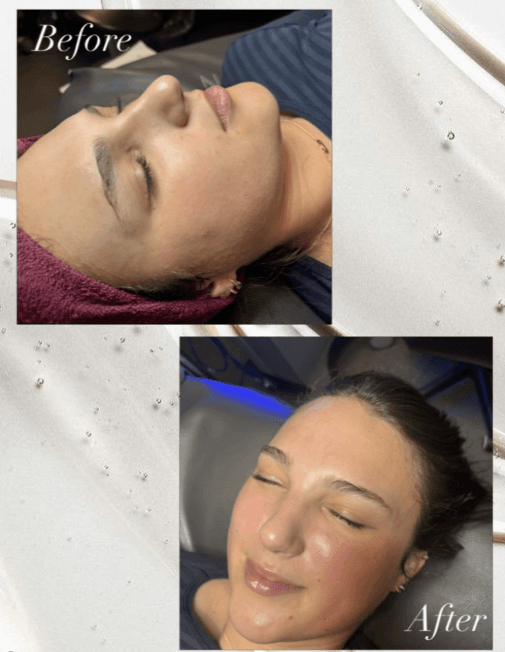
Facial oils can help too, layered over your moisturizer at night. Professionally, a hydrating facial can help dry skin look smoother and feel more comfortable, and a signature facial tailored to dryness is a good once-a-season reset.
What helps dehydrated skin
Dehydrated skin needs water, and then a lid. Apply a humectant serum (glycerin or hyaluronic acid) to slightly damp skin, then seal it with a lightweight cream. If you're oily, a gel-cream with dimethicone can lock in water without feeling heavy.
Then look for the cause. Common culprits include over-exfoliating, foaming cleansers that leave skin squeaky, long hot showers, alcohol-heavy toners, and very dry indoor air. The EPA suggests keeping indoor humidity between 30 and 50 percent, and a bedroom humidifier is one of the easiest ways to get there in winter. Drinking enough water is good for you overall, but on its own it usually won't fix dehydrated skin if your routine is stripping it.
When you have both
Many Treasure Valley clients have naturally dry skin that also gets dehydrated in winter. In that case, layer: gentle cleanser, humectant serum on damp skin, a rich cream, and a few drops of oil or a thin layer of ointment on the driest spots at night. Ease back on strong exfoliants until skin feels comfortable again.
If you're unsure which you have, an esthetician can look at your skin under magnification and talk through your routine with you. Sometimes the answer is as simple as swapping one cleanser.
Whatever your skin is doing, give a new routine at least two to three weeks before judging it. Skin needs time to rebuild, and switching products every few days makes it hard to tell what's actually helping. Keep notes on what you changed and when, and watch how your skin feels in the afternoon, which is when dehydration tends to show up most. If you're still tight and dull after a few consistent weeks, that's useful information to bring to a facial appointment.
Key takeaways
- Dry skin lacks oil and is usually a long-term skin type.
- Dehydrated skin lacks water and can happen to any skin type, even oily.
- In dry climates, always seal a humectant serum with a cream.
- Over-exfoliating and hot showers are common causes of dehydration.
When to see a dermatologist: See a dermatologist if dryness doesn't improve after a few weeks of gentle care, if skin is cracking, bleeding, very itchy or inflamed, or if you notice a rash. The Cleveland Clinic notes that dry skin can sometimes be linked to conditions such as eczema, diabetes or kidney disease, which need medical evaluation.
Not sure what your skin needs?
Take our 60-second skin quiz for a personalized treatment match, or book a visit at our Garden City studio.
Questions
Can oily skin be dehydrated?+
Yes. Oil and water are different things. Oily skin can still lack water, which often shows up as shine plus tightness and dullness.
Is hyaluronic acid bad in a dry climate?+
Not bad, but it works best sealed in. Apply it to damp skin and follow with a moisturizer so the water it attracts doesn't evaporate.
Will drinking more water fix dehydrated skin?+
Staying hydrated is good for your health, but dehydrated skin is usually driven by your routine and environment. Gentler cleansing, a sealed-in humectant and a humidifier tend to help more.
Which facial is best for dehydrated skin?+
A hydrating facial is designed for exactly this. Your esthetician can also adjust a signature facial based on what your skin needs that day.
Sources
- Cleveland Clinic: Dry Skin (Xeroderma)
- StatPearls (NCBI Bookshelf): Moisturizers
- Moisturizers: The Slippery Road (Indian Journal of Dermatology, review)
- American Academy of Dermatology: Dermatologists' top tips for relieving dry skin
- National Weather Service Boise: Climate of Boise
- U.S. EPA: A Brief Guide to Mold, Moisture and Your Home
Educational content from a licensed esthetician, not medical advice.